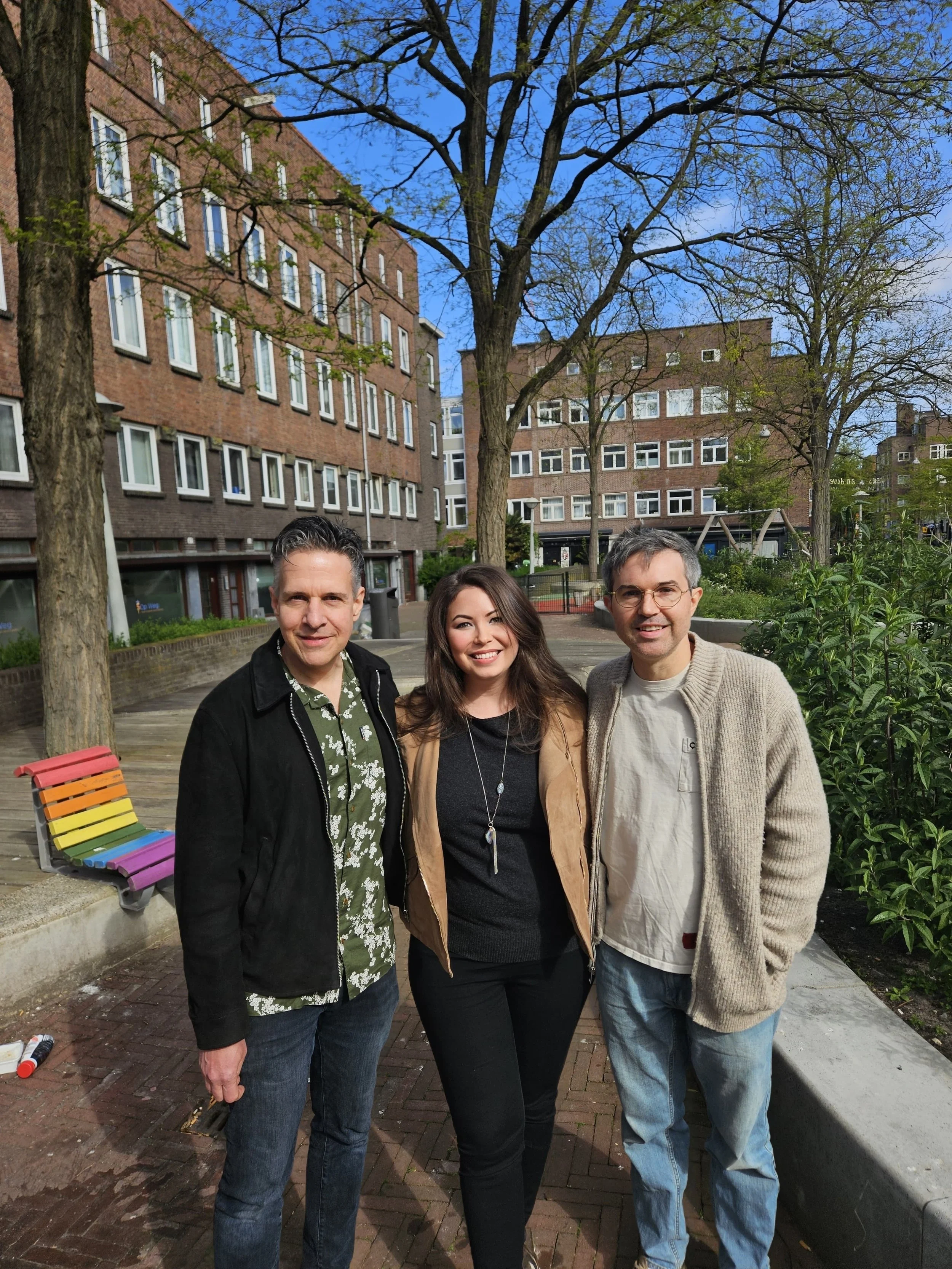
Henry Hey & Chris McQueen
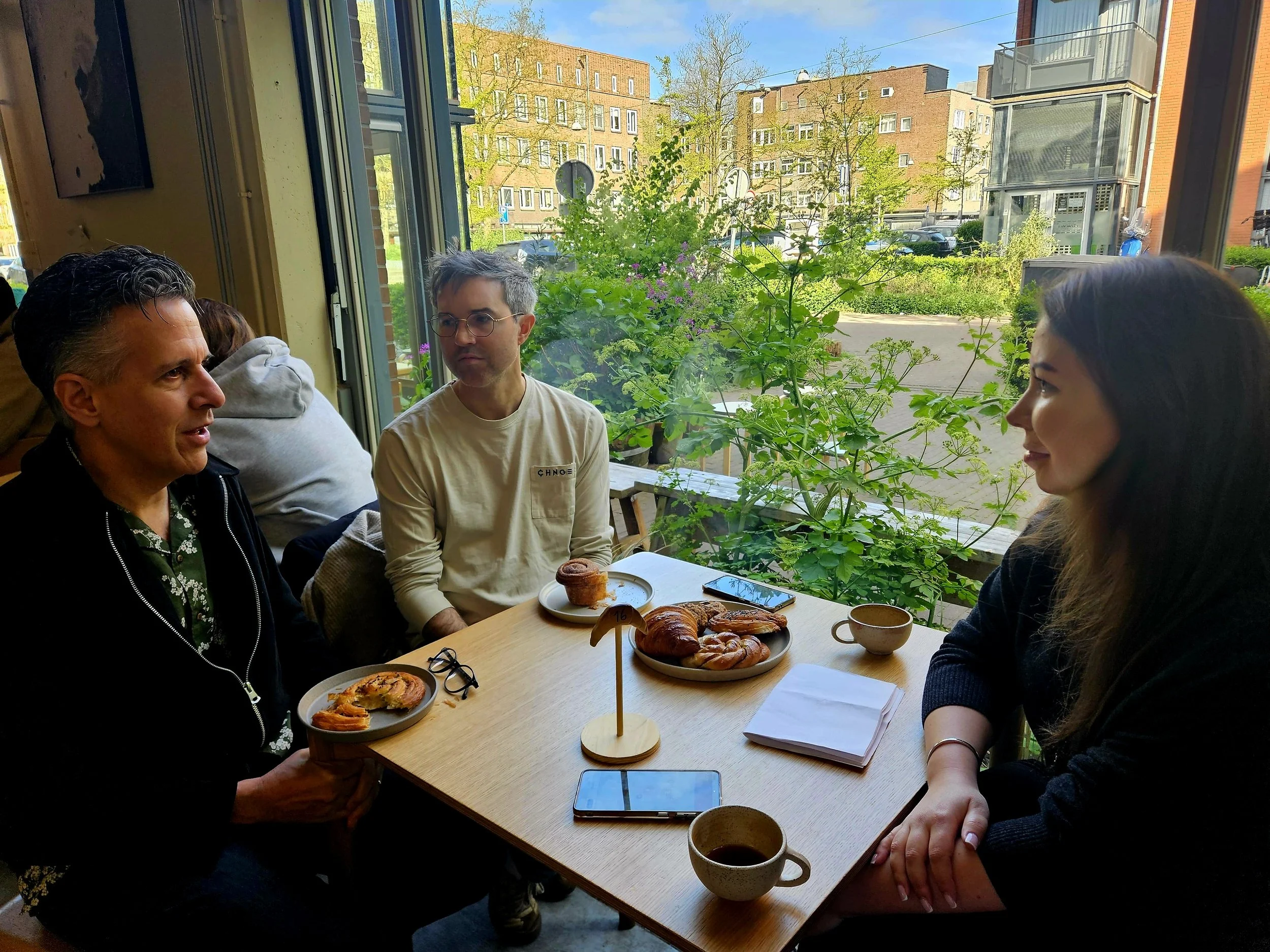
Sitting down for coffee with Henry Hey and Chris McQueen
“It is okay to let feelings influence your music”
Forq, an American jazz fusion band from New York and Texas, passed through the Netherlands for a concert promoting “Big Party”, their newest album. We had a coffee with band members Henry Hey and Chris McQueen, about blending song structure and improvisation, and playing with David Bowie. ‘Playing his music is like therapy, for musicians as well as for audiences.’
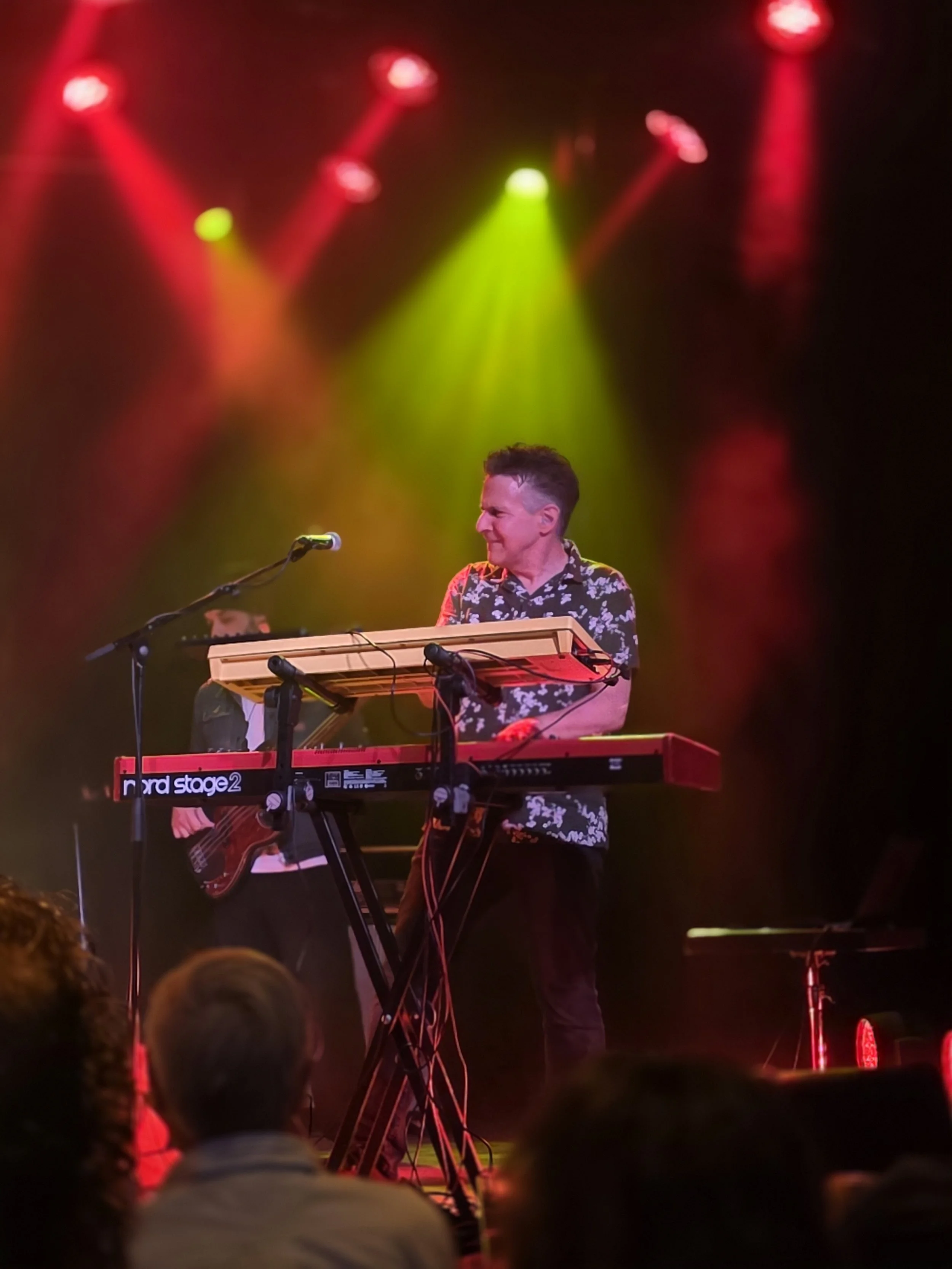
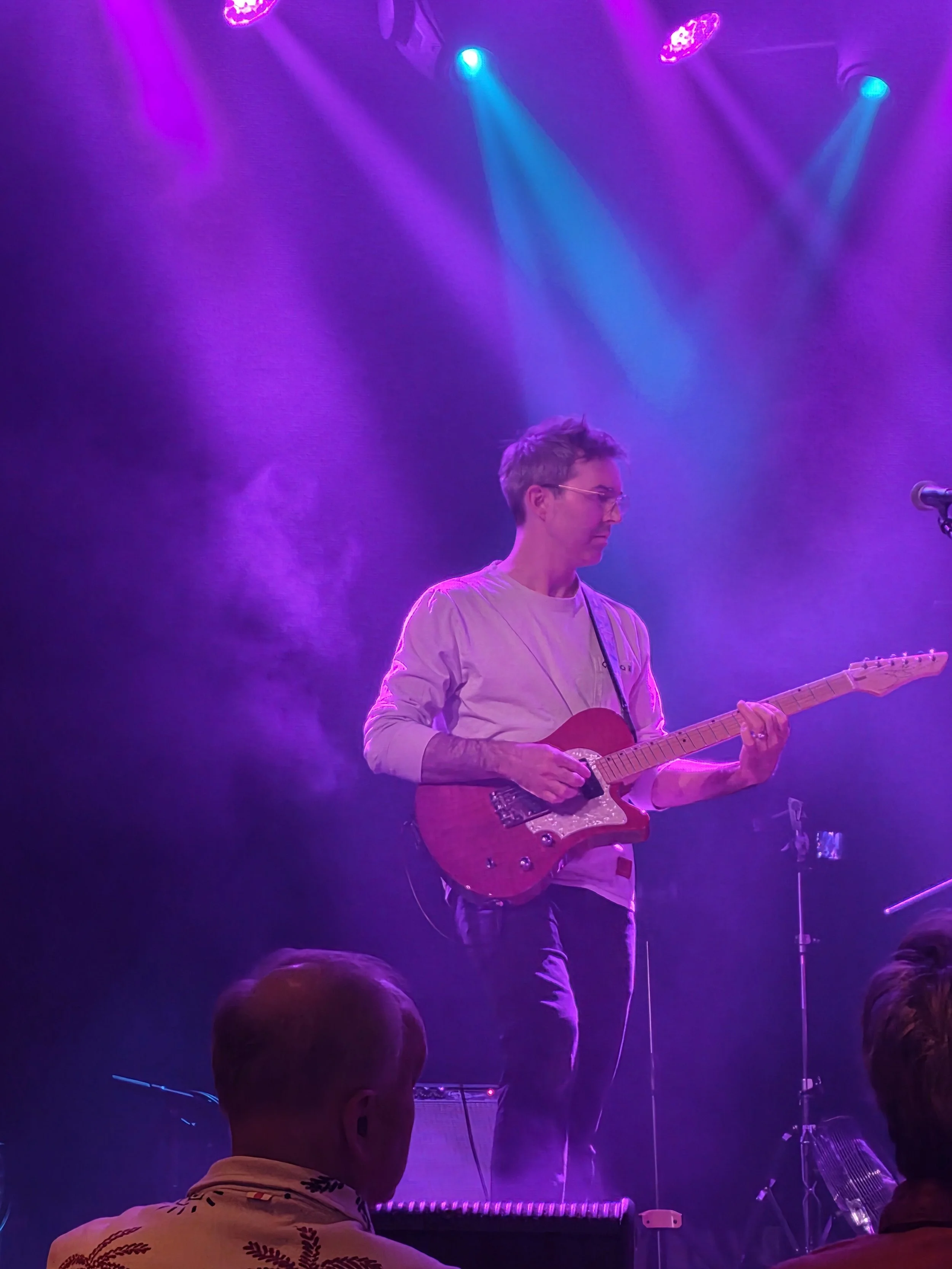
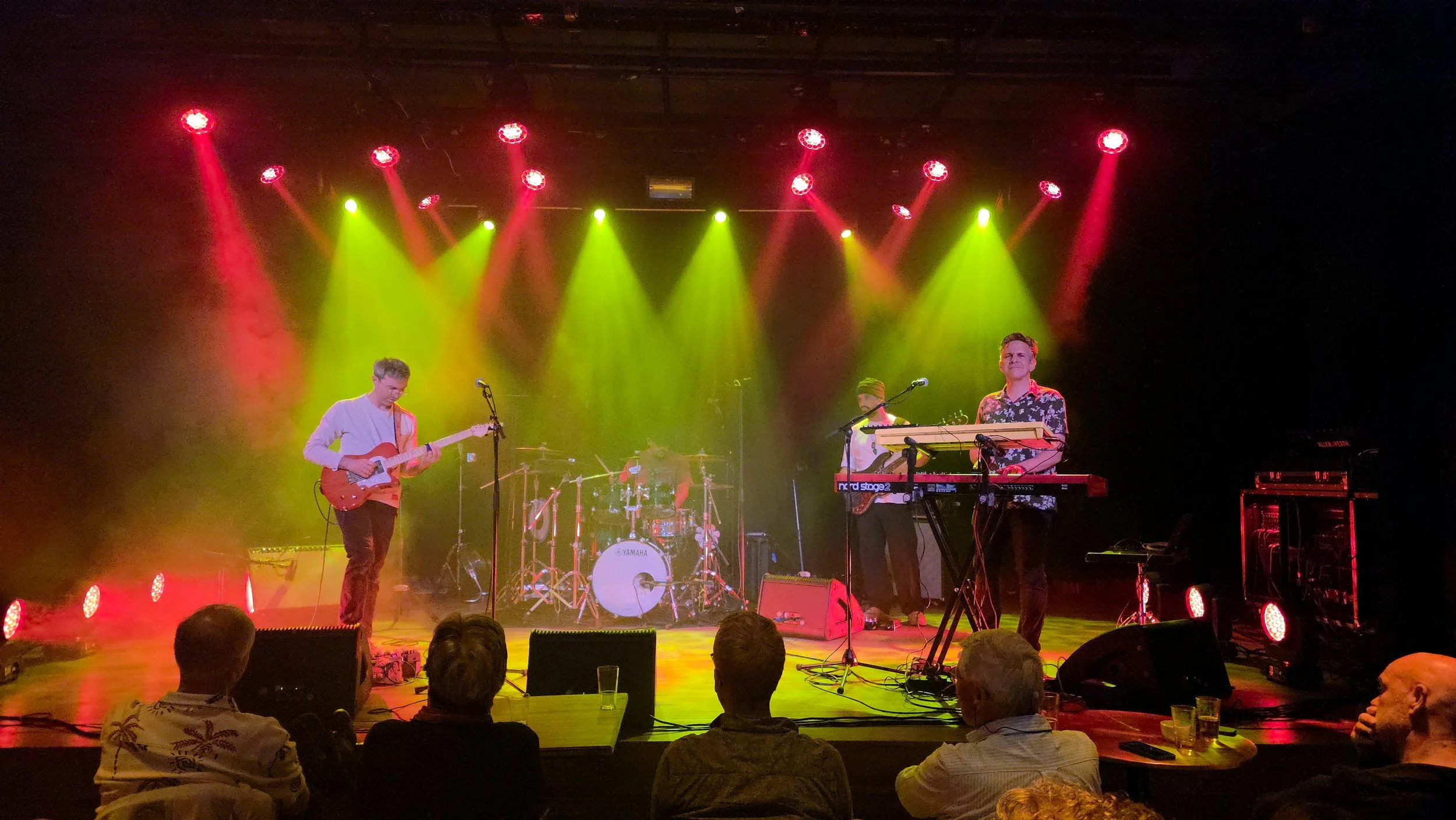
A sunny Sunday afternoon, but you would not know it if you were in the audience. We near the end of what might well be the only matinee Forq has ever played. Inside one of the intimate parlours of Podium Victorie in the Dutch city of Alkmaar, you find a nightly atmosphere befitting the live repertoire of Forq. Howling guitar sounds by Chris McQueen, energetic rhythms by drummer Jason ‘JT’ Thomas and slicky licks from bass player Eli Menezes. The glue between the sounds are the keyboard innovations by Henry Hey, who can invoke memories of The Doors’ Ray Manzarek and Steely Dan’s “Do It Again” in a seemingly easy stroke of genius. Forq has quite the backbone of music, with their latest album being the catchy “Big Party”, released in 2024. An album is a good thing, but Henry makes it clear where the real sentiment lies when he says goodbye to his audience in Alkmaar: ‘Artificial Intelligence is not going to take this away’, he points at us in the crowd, ‘thank you for supporting live music!’
Music in the moment
The sentiment was explained to us earlier that day, when we had a lovely sit-down with Henry Hey and Chris McQueen in a charming coffee place in downtown Amsterdam. ‘The songs [on the record] are very intentionally written, with really specific melodies and chords and bits and sections, and all that has to be played the right way for the song to work’, Chris explains, ‘but on top of that we are putting all of our personalities, at all times. The solo’s are obviously open-ended. Beyond that, just how somebody is going to play a melody, well, especially JT is someone who constantly changes up the feel of things to keep it fresh. When there is a moment that something feels stale or predictable, someone will remind the others we are doing something fun and spontaneous. We do not have to do it the same every time. This is improvised music, a constant blend.’ We hear Henry laugh out loud when Chris describes he is constantly trying to get a reaction out of him on stage. A laugh of recognition.
Henry continues to elaborate, stating that Forq music might even be closer to structures of pop music than jazz, with melodies and sections. But that is where the comparison stops, and in comes variability. ‘One of the great things about this music, and one of the opportunities, is that it is okay that our feeling on a certain day influences the music. If we are tired we might play something different, if we are annoyed or excited or having this or that feeling, we did not sleep well, if we had a great meal, or you took a walk and saw something… It will come into the music. It is okay for that to happen. That means everything is living and breathing and changing all the time. You will have amazing surprises that way and it will never be the same.’
David Bowie Therapy
Back in January, we saw Henry Hey as bandleader of a special group of musicians. All of them alumni of David Bowie’s studio or live outfits, with added talent singing an eclectic selection of Bowie classics. A special occasion for fans, to see artists like Gail Ann Dorsey, Donny McCaslin and Tony Levin alongside producer Mark Plati or Lazarus-veteran Sophia Anne Caruso, to name a few. Therapeutic is how Henry describes these concerts at the Cutting Room in downtown Manhattan, grown into a yearly event. ‘Especially this January’, Henry says, referring to the fact it was exactly 10 years after Bowie’s passing. ‘It felt important for people to come together. Music brings people together and truly bridges cultures and personalities, it connects people in a way almost nothing else can. We need that healing feeling.’ Something much needed in the current everyday climate of the US, with the toxic leadership and downgraded appreciation for inclusion. ‘We felt the connection with the audience, and we heard it in the comments afterwards, that people felt so much joy’, Henry says, preferring compliments about what emotions they uncovered over flattery for their technique or this or that solo.
Chris McQueen experienced David Bowie from close by and has fond memories of meeting the legend. This was during the rehearsals for the Lazarus musical, one of Bowie’s final passion projects. ‘He came to our rehearsal and he was extremely personable and disarming. He was a very regular seeming person. Super aware and knowledgeable… he kept making these jokes about old British jazz. I could not believe the references that he had, that he knew about. He was teasing the band, really like being a part of it. He sang with us. He was very trusting. We were hoping he would like our arrangements [for Lazarus], but it was almost like a given. He knows Henry, he trusts Henry, he liked everything we did, I do not think he even had any notes.’ Henry adds to Chris’ story: ‘We finished and I wanted to make sure we had everything right. I asked him, do you have any notes, is there anything you would like? And he said “yeah, I would like to have a sing”, and then he sang with us.’ The guys turn silent, no doubt seeing the scene again in their memory. ‘Pretty cool’, Chris ends.